Enhanced BCMA Antigen Density Increases Trogocytosis and Attenuates CAR T cell Function

Enhanced BCMA Antigen Density Increases Trogocytosis and Attenuates CAR T cell Function
Ataca Atilla, P.; Simon, S.; Atilla, E.; Coffey, D. G.; Cowan, A. J.; Bugos, G.; Diefenbach, T. J.; Huang, J. J.; Karaca, E.; Zhou, Z.; Comstock, M. L.; Hill, G. R.; Riddell, S. R.; Green, D. J.
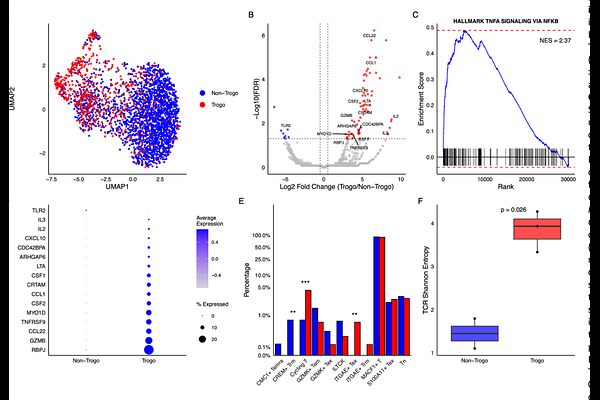
AbstractBackground: Chimeric Antigen Receptor (CAR) T cell therapy targeting B-cell maturation antigen (BCMA) has demonstrated impressive clinical efficacy in relapsed/refractory multiple myeloma (MM). Nonetheless, disease relapse limits durable response for most patients. Trogocytosis of target antigen by effector cells has emerged as a potential contributor to reduced surface antigen density, CAR T cell dysfunction, and fratricide. Although gamma-secretase inhibitors (GSI) significantly increase cell surface BCMA density and decrease soluble BCMA (sBCMA), their effects on BCMA trogocytosis and the resulting impact on CAR T-cell function remain incompletely understood. Methods: We investigated the effects of GSI on BCMA-directed CAR T cell function and trogocytosis using in vitro co-culture systems with MM cell lines across a spectrum of BCMA expression. We validated findings using confocal microscopy and cytotoxicity assays. Trogocytosis and fratricide were assessed in time-resolved functional studies. Phenotypic and functional differences between trogocytosis-positive (CAR T Trogo+) and trogocytosis-negative (CAR T) cells were evaluated using multiparametric flow cytometry, proteomic profiling, single-cell RNA sequencing (scRNA-seq), T-cell receptor (TCR) sequencing, and in vitro rechallenge assays. We also interrogated clinical samples from two Phase I trials (NCT03338972 and NCT03502577) which employed the identical CAR T cell construct with or without GSI respectively, to evaluate the relationship between trogocytosis, CAR T cell persistence, and treatment outcome. Results: GSI driven increases in BCMA density on MM cell lines enhanced CAR T cell cytotoxicity but concomitantly increased trogocytosis, particularly in high-antigen-density cell lines (H929+GSI vs H929; 30 min (P<0.0001), 1 h (P<0.0001), 2 h (P<0.0001), 6 h (P<0.0001), and 24 h (P<0.0001) and in CD4+ CAR T cells (K562mCherry+GSI, CD4 vs CD8 CAR T cells;10 min (P=0.01), 2 h (P=0.01), and 6 h (P=0.004). Following BCMA acquisition, CAR T cells (CAR T Trogo+) exhibited reduced proliferative capacity, diminished cytotoxic function (CAR T Trogo+ vs CAR T; (P=0.01), and an increase in markers of exhaustion/activation (CD4+ CAR T Trogo+ vs CD4 CAR T and CD8+ CAR T Trogo+ vs CAR T; PD-1+LAG-3+, PD-1+TIM-3+, and TOX+TIM-3 co-expression, (P=0.007, P<0.0001, P=0.006 and P=0.004, P=0.03, P=0.006). In fratricide assays, CAR T Trogo+ cells were susceptible to killing by naive CAR T cells. Single cell RNA-seq supports the phenotypic findings revealing transcriptional features of heightened activation and accelerated exhaustion in CAR T Trogo+ cells. Clinical phase I trial data confirm BCMA trogocytosis in patient samples. Conclusions: Our findings highlight the paradoxical effects of increased BCMA density on BCMA CAR T cell therapy: enhancement of initial tumor targeting and promotion of trogocytosis-associated dysfunction. Trogocytosis may contribute to antigen modulation, CAR T cell exhaustion, and fratricide, potentially muting the therapeutic benefits of enhanced antigen density. To optimize GSI and mitigate trogocytosis-associated resistance mechanism, future clinical trial designs should incorporate early time-point sampling, a sample size providing sufficient statistical power to determine an impact on CAR T cell persistence and treatment response, and mechanistic assessments.