Dynamic knowledge representation of blood brain barrier activation, injury and restitution with a novel agent-based model

Dynamic knowledge representation of blood brain barrier activation, injury and restitution with a novel agent-based model
An, G.; Cockrell, C.
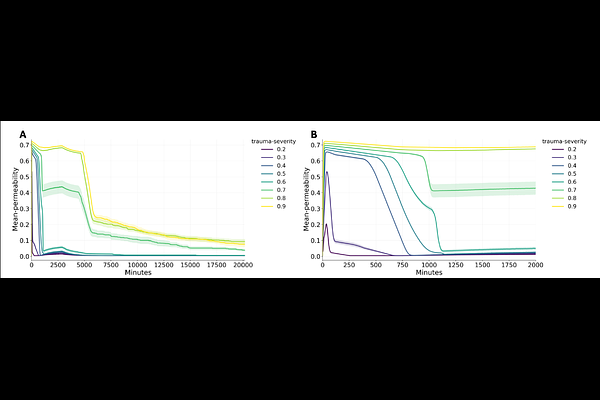
AbstractThe blood brain barrier (BBB) tightly regulates the interface between the central nervous system and the systemic circulation. The function of the BBB is the output of an architecturally complex, multicellular neurovascular unit that consists of brain microvascular endothelial cells, pericytes, astrocytes, microglia and parenchymal neurons. Dysfunction of the BBB has been linked to numerous neurological diseases, such as multiple sclerosis, Alzheimers Disease, traumatic brain injury/chronic traumatic encephalopathy and stroke. Also, the control of the BBB over permeability makes it an ongoing interest and target for pharmaceutical development. Herein we present Blood Brain Barrier Agent-based Model (BBBABM), the first computational model that mechanistically represents the cellular components of the neurovascular unit and the molecular interactions that govern the response of the BBB to injury/activation, including the restorative functions that provide baseline homeostasis regarding the health of the BBB. Simulation experiments with the BBBABM replicate expected dynamics of disruption and restoration that demonstrate a dose responsiveness to the severity of the initial insult. The development of the BBBABM provided insight into the contribution of various forms of cellular-molecular responses to overall BBB dysfunction, including integrating across time scales from minutes to weeks. This initial implementation of the BBBABM offers numerous future paths for development, including being able to mechanistically represent the long time scales (years/decades) present in the pathophysiology of chronic neurological diseases and providing a platform to enhance therapeutic development via in silico trials and as the basis for mechanistic cellular-molecular Digital Twins.