Glomerulus-Targeted Nanotherapy via Collagen IV-α3 Binding Enhances Renal Immunoregulation in Lupus Nephritis

Glomerulus-Targeted Nanotherapy via Collagen IV-α3 Binding Enhances Renal Immunoregulation in Lupus Nephritis
Wang, L.; Markoutsa, E.; Venkatadri, R.; Sharma, R.; Esquivel, C.; Patne, A.; Wei, J.; Zhang, J.; Williams, K.; Lawless, W.; Muskan, A.; Fu, L.; Mayilsamy, K.; Mohapatra, S.; Mohapatra, S.; Liu, R.
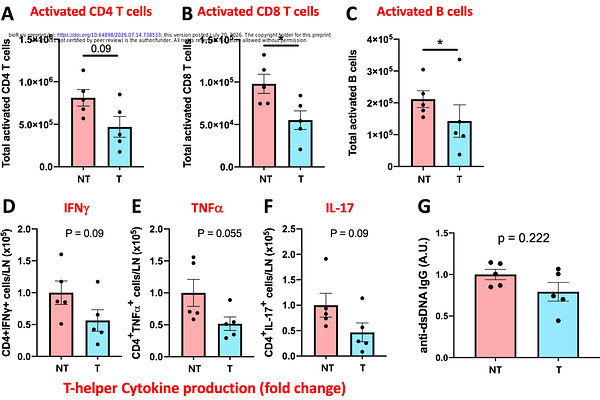
AbstractLupus nephritis requires long-term immunosuppressive therapy, which is often associated with severe systemic side effects. Therefore, new therapeutic strategies that maintain high efficacy while minimizing adverse effects is essential. Although nanomedicine has advanced systemic and kidney-targeted drug delivery, a reliable method for glomerulus-specific delivery is lacking. Collagen IV (Col4) -alpha 3, located in the glomerular basement membrane (GBM) at the blood-tissue interface through fenestrated capillary endothelium, represents an ideal target for glomeruli delivery. Herein, we developed a novel liposomal nanoparticle conjugated with a Col4-alpha 3 binding peptide (Col4-3-NPs) for selective glomerular targeting. Prednisolone-loaded Col4-3-NPs were administered to lupus-prone mice twice weekly for 8 weeks. Kidney injury and function were evaluated biweekly, and renal immune cell populations were analyzed by flow cytometry at study completion. The results show that rhodamine-labeled NPs predominantly accumulate in kidney glomeruli 48 hours after intravenous injection. The Col4-NP system demonstrated stable and prolonged release of the encapsulated drug for over 48 hours. Lupus-prone mice treated with prednisolone-loaded Col4-NPs showed significantly improved renal function and histology, including a 30% increase in glomerular filtration rate (GFR), a 56% reduction in proteinuria, and decreased IgG deposition and fibrosis. Notably, treatment also enhanced renal regulatory T cell (Treg) populations. These findings suggest that glomerulus-targeted Col4-3-NPs hold significant translational promise. This platform may offer an effective, site-specific treatment for lupus nephritis while minimizing systemic side effects and could be adapted for other glomerular diseases requiring targeted therapy.