Host insect microRNAs are translocated to an obligate endosymbiont

Host insect microRNAs are translocated to an obligate endosymbiont
Ding, Y.; Sun, H.; Jander, G.; Wilson, A. C. C.; Feng, H.
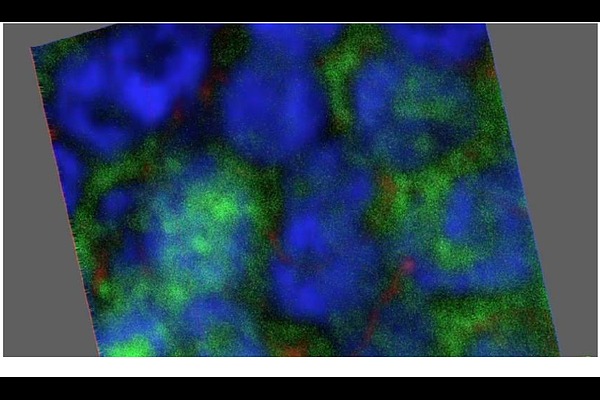
AbstractMany insects rely on intimate interactions with bacterial symbionts housed in specialized cells called bacteriocytes. While host and symbiont gene expression in bacteriocytes appears highly integrated, the underlying regulatory mechanisms remain largely unknown. MicroRNAs regulate gene expression and are emerging as mediators of cross-kingdom communication. Here, in the pea aphid, Acyrthosiphon pisum, and the green peach aphid, Myzus persicae, we demonstrate cross-kingdom translocation of aphid miRNAs into their obligate endosymbiont, Buchnera aphidicola. miRNA fluorescence in situ hybridization in aphid embryos provides direct evidence that four out of five candidate miRNAs (miR-1, miR-10, miR-29, and miR-927) localize inside Buchnera cells. To investigate how these miRNAs may regulate Buchnera gene expression, we further demonstrated the cross-kingdom translocation of aphid argonuate 1 protein (Ago1), into Buchnera using immunolocalization. Given the translocation of both Ago1 and miRNAs, we applied a eukaryotic miRNA target prediction framework and found that all cross-kingdom-translocated miRNAs are predicted to target Buchnera genes involved in symbiotic functions. Although the precise in vivo functions of translocated miRNAs remain challenging to determine, our findings suggest a previously unrecognized layer of regulation between insect host and its obligate endosymbiont, offering new insight into the molecular dialogue that supports insect-microbe interactions, highlighting potential targets for miRNA-based pest management.