Therapeutic Targeting of Microglial Hexokinase-2 Recalibrates Inflammasome Activation and Improves Functional Recovery After Traumatic Brain Injury

Therapeutic Targeting of Microglial Hexokinase-2 Recalibrates Inflammasome Activation and Improves Functional Recovery After Traumatic Brain Injury
Mera Reina, C.; Codocedo, J. F.; Fallen, P. B.; Scott, J.; Lasagna-Reeves, C. A.; Landreth, G. E.
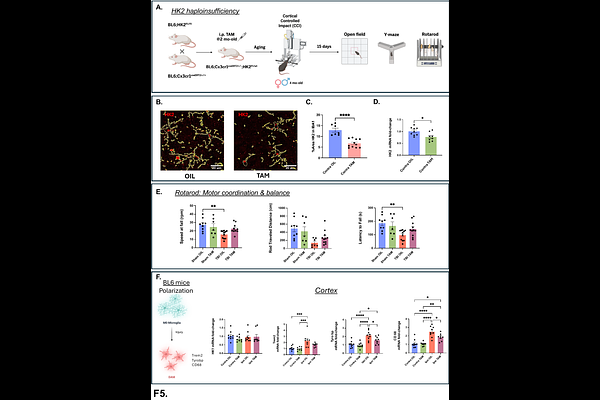
AbstractTraumatic brain injury (TBI) initiates a secondary inflammatory cascade in which sustained microglial activation contributes to long-term neurological dysfunction. Microglial inflammatory states depend on glycolytic reprogramming, suggesting that targeted modulation of metabolic regulators may attenuate post-traumatic inflammation while preserving essential immune functions. Hexokinase-2 (HK2), a rate-limiting glycolytic enzyme, regulates inflammatory signaling and inflammasome activation in microglia in neurodegenerative contexts; however, its role in TBI remains undefined. We therefore examined whether partial suppression of microglial HK2 modulates inflammatory responses following severe TBI. HK2 was robustly induced in microglia during the sub-acute phase after injury. Pharmacological inhibition of HK2 improved motor coordination without impairing locomotion or cognitive performance and selectively reduced inflammasome-related gene expression and ASC accumulation, particularly within the hippocampal hilus. Importantly, HK2 antagonism slowed microglial proliferation while preserving efferocytic capacity. Partial genetic reduction of microglial HK2 phenocopied these molecular and behavioral effects, supporting an HK2-dependent mechanism. Together, these findings identify microglial HK2 as a therapeutically targetable regulator of inflammatory amplification after TBI. Partial modulation of this pathway attenuates secondary neuroinflammation while maintaining critical microglial functions, highlighting HK2 as a promising strategy to improve functional recovery after traumatic brain injury.