Microbiota-induced fatty acid synthesis facilitates intestinal infection and immune-mediated damage in Drosophila

Microbiota-induced fatty acid synthesis facilitates intestinal infection and immune-mediated damage in Drosophila
Yu, Y.; Alagesan, K.; Frahm, D.; Charpentier, E.; Iatsenko, I.
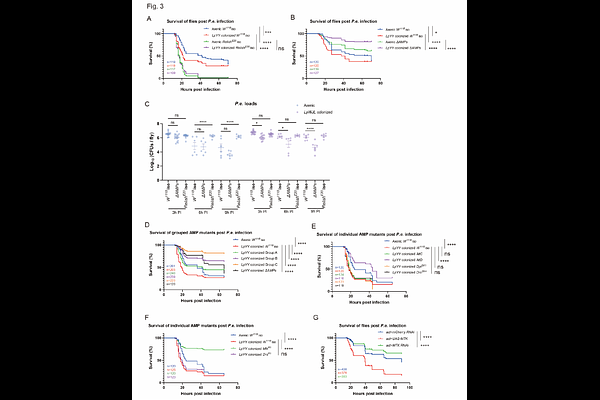
AbstractThe role of the microbiota in facilitating infection is increasingly recognized, though the underlying mechanisms remain under investigation. In this study, we demonstrate that the gut microbiome, particularly Lactiplantibacillus plantarum, promotes enteric infection in Drosophila melanogaster by reshaping host physiology and immune responses. Upon gut colonization, L. plantarum enhances fatty acid (FA) production in the gut. Reducing FA synthesis improves host survival, and pathogen mutants deficient in FA utilization exhibit reduced virulence. FAs support pathogen growth, increase virulence, and enhance resistance to antimicrobial effectors, ultimately facilitating pathogen persistence in the gut. Persisting pathogens consequently overstimulate the immune system, leading to excessive production of antimicrobial peptides (AMPs). Flies lacking AMPs, particularly Metchnikowin and Attacin D mutants, show better survival during infection, implicating AMPs in immunopathology. Our findings identify a mechanism whereby microbiota-induced release of host FAs stimulates pathogen virulence and persistence, ultimately driving AMP-mediated immunopathology.