What we miss shapes what we protect: sea turtles as a case study of grey literature and language bias in an evidence synthesis

What we miss shapes what we protect: sea turtles as a case study of grey literature and language bias in an evidence synthesis
Heng, H. W. K.; Buenafe, K. C. V.; Restrepo, J.; Nisthar, D.; Amano, T.; Pilcher, N.; Chu, T. C.; Trong, D. N.; Ellis Arnett, R.; Fong, C.-L.; Herandarudewi, S. M. C.; Hoh, D. Z.; Long, S. L.; Ng, C. K. Y.; Panyawai, J.; Dunn, D. C.
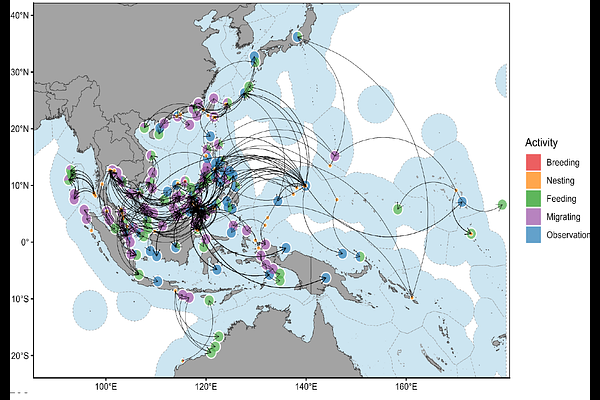
AbstractEvidence-based approaches are increasingly advocated and applied in conservation to provide reliable recommendations for management and policymaking. Although substantial efforts have been undertaken to generate ecological knowledge across languages and publication types, many syntheses and meta-analyses fail to include relevant literature sources; drawing into question their reliability. To assess the extent of biases resulting from ignoring grey literature and non-English publications, we reviewed and synthesised movement and migratory connectivity data for green turtles across Southeast Asia from multiple literature types and eight languages. We identified substantial losses in connectivity information, with at least half of all locations losing more than 88% of their connections, and shifts in demographic representation and sampling techniques when grey literature was excluded from the evidence base. The exclusion of non-English literature had a comparatively smaller impact. The regional connectivity network generated through this study highlights the need for holistic reviews to develop evidence bases to underpin transboundary management of migratory species. Ignoring grey literature and, potentially, regional languages in the development may lead to misallocation of limited management resources. Holistic reviews can further support the establishment of Important Areas for migratory species and inform how we meet and report on global biodiversity commitments.